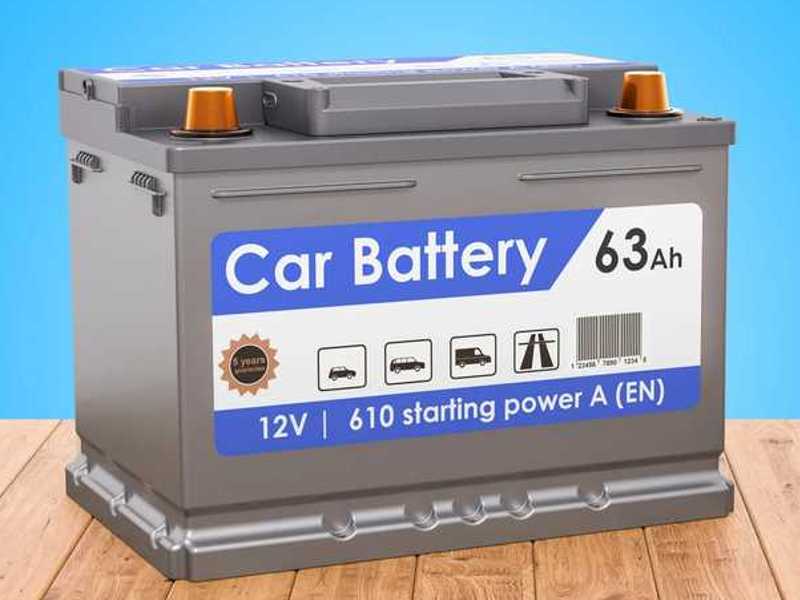
Car Battery Confessions from Under the Bonnet
Your car battery does not send calendar invites before it quits, yet it somehow knows the worst possible moment to stage a dramatic exit. Rainy days, being late to school twice in a row. Then your car makes one long, depressed exhaust sound like you’re betrayed.
Cars for most of us are vehicles to get us from point A to point B (school to home). We discuss the engine design, tyre wear, and fuel efficiency with positive enthusiasm (at the bar with friends) while the humble power plant located underneath the bonnet is simply there storing power like an unassuming friend who continuously helps you out (never seeking recognition or a thank you). Until it does.
Table of Contents:
How a Car Battery’s Life Works
Modern vehicles function less as machines and more like mobile laboratories. Infotainment screens light up, parking sensors make sounds, and heated seats warm you quicker than coffee. All of this starts with one simple source of stored energy.
The battery is inside a plastic shell that houses a clever method of chemically adding energy to lead plates in an acid solution. When you turn the key or push the button, there is a reaction that creates energy to start your engine. After your engine starts, your alternator charges the battery to have it ready for your next run.
What may surprise you is how much pressure your everyday life puts on the battery. Driving short distances does not give the battery enough time to recharge completely. Leaving your interior lights on will consume the reserves that are created in the battery. High temperatures are a greater danger to your battery compared to winter freeze. The chemicals in the battery are destroyed at a rate much faster due to extreme heat. That little black box is working much harder than it appears.
Signs Your Car Battery Is Plotting Against You
The early warnings are subtle. Headlights appear slightly dimmer. The engine takes a fraction longer to start. You might notice electrical features behaving oddly, as if your car has developed a mild personality disorder.
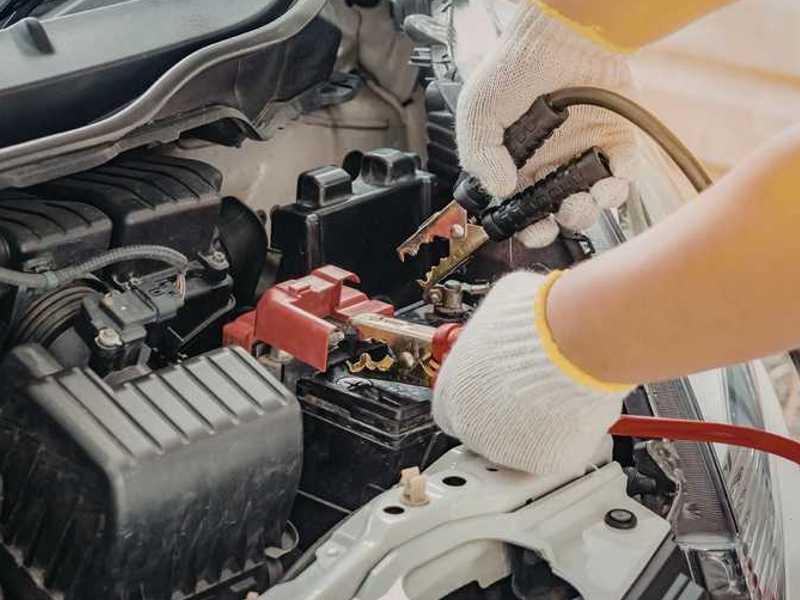
Ignore these hints and the next clue may be silence. Not dramatic silence, but the dull clicking sound of a starter motor trying bravely and failing. At that point, you are likely reaching for jump leads and phoning the most patient person in your contact list.
A useful rule of thumb is the three to five year window. Most units live comfortably within that range, depending on climate and driving habits. If yours is approaching that birthday, it is wise to have it tested. Many garages offer quick checks that measure voltage and overall health. It takes minutes and can spare you a roadside existential crisis.
Treat It Like a Houseplant
Oddly enough, caring for this component is similar to tending a plant. It appreciates regular attention and dislikes neglect. Drive the car long enough for a proper recharge. Keep terminals clean and free from corrosion. If you rarely use the vehicle, consider a maintenance charger to keep levels steady.
When replacement time arrives, choose wisely. Not every car battery suits every vehicle. Start stop systems, for example, require specific designs that handle frequent restarts. Check your manual or consult a technician rather than guessing based on price alone.
Installation is usually straightforward, yet safety matters. Gloves and eye protection are sensible. Polarity must be correct. A confident amateur can manage it, but there is no shame in letting a professional handle the swap.
A Small Box with Big Authority
It is easy to overlook something that does not roar or shine. Yet without this unassuming unit, your car is an expensive sculpture with comfortable seats. Show it a little respect, listen to its warning signs, and plan ahead rather than react in frustration.
After all, the smooth start on a cold morning, the reliable glow of your headlights, and the gentle hum of electronics all depend on one faithful car battery.