When Not to Opt for a Block Kitchen
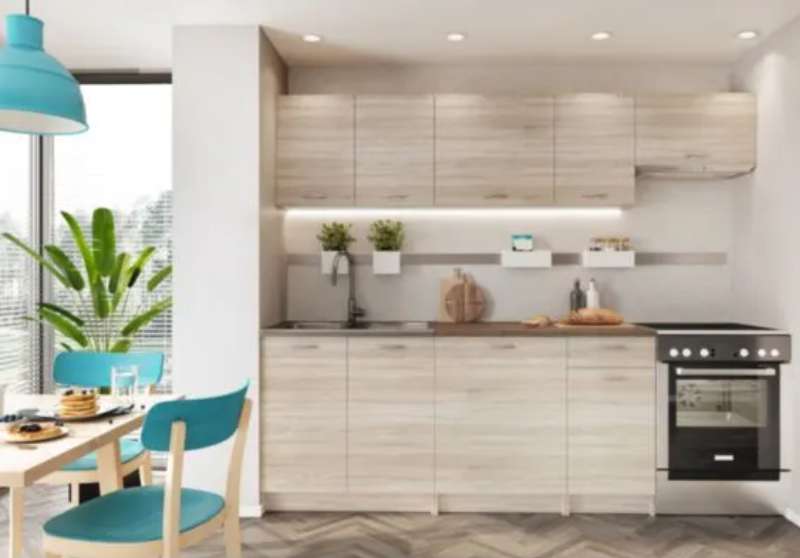
Block kitchen design is one of the trends that have made waves recently. It offers a modular, often compact layout where the cooking, cleaning, and food preparation zones are organized into one cohesive block. Though it gives the impression of sleekness and efficiency, this layout might not fit every home or lifestyle.
Understanding when not to use block kitchens is crucial for ensuring that your kitchen functions both practically and comfortably. Below are some scenarios where this kitchen design may not be the best choice.
Table of Contents:
1. When You Have a Large Family or Frequent Guests
Block kitchens are typically designed for efficiency in smaller spaces, where all essential tasks are in close proximity. But if you have a large family or entertain frequently, then this design might be too tight and confined.
Everything being located in one compact area can lead to obstructed traffic flow and create challenges when trying to cook or clean with several individuals. You may then opt for a more open design with clear zones to enhance mobility and functionality during cooking preparation.
2. When You Need Ample Storage
Block kitchens are generally designed for compactness, with minimalistic cabinets and open shelving to save space. While this might work well in a smaller home or apartment, it can pose a problem for those who require ample storage. If you have an extensive collection of cookware, gadgets, or ingredients, a block kitchen may not provide the storage capacity you need.
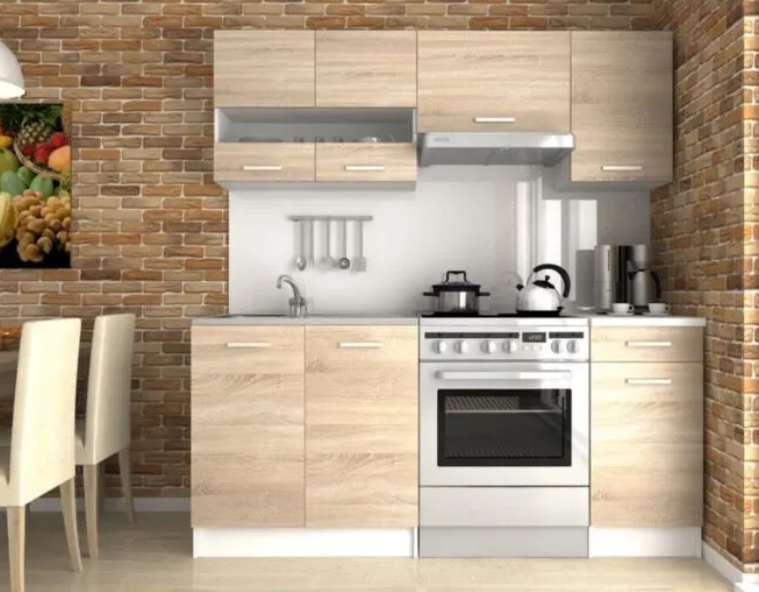
You may find yourself constantly struggling to fit items into limited cabinet space, which can lead to clutter and inefficiency. A more traditional kitchen layout with separate storage spaces might be a better option for those with larger storage needs.
3. When You’re Seeking Flexibility in Your Kitchen Design
One of the challenges of block kitchens is their rigid, modular design. You’d love to change your kitchen setup every day or incorporate more elements into it based on your changing needs, block kitchens may not suit you because the design often can’t be changed, so changing the kitchen layout might need significant remodeling. If your lifestyle is always adapting your kitchen to different tasks, like expanding a growing family or adopting new technology, then choosing a more flexible layout will give you the flexibility you want.
4. When You Have a Big Cooking Space
A block kitchen won’t be ideal if your kitchen area is spacious and you’ll take advantage of that added space for more than one cooking zone or an expansive dining area. Large kitchens require many workstations spread across to accommodate the presence of many individuals working together or have various cooking going on all at once. Conversely, block kitchens tend to bunch all those tasks into one location which may feel confined and certainly does not take full advantage of the available space.
5. If You Rave About a Designated Dining Space
Yet another issue in determining if a block kitchen is the way forward for your house is about how you rate dining and entertaining spaces. Block kitchens make more or less one focus point which is about cooking, and usually does not have a designated dining area.
If you often hold family gatherings or dinner parties, your layout should be in a division of dining and cooking room. This would separate all the mess created in preparing food from the actual dining as guests can dine comfortably.
While block kitchens are well-suited for certain types of living situations in terms of sleek design and space efficiency, it’s not always the best fit for every home. You want to consider factors such as your family size, storage requirements, available space, and whether you prefer flexibility. Knowing when not to use a block kitchen will ensure your kitchen serves your needs, both functionally and aesthetically.